
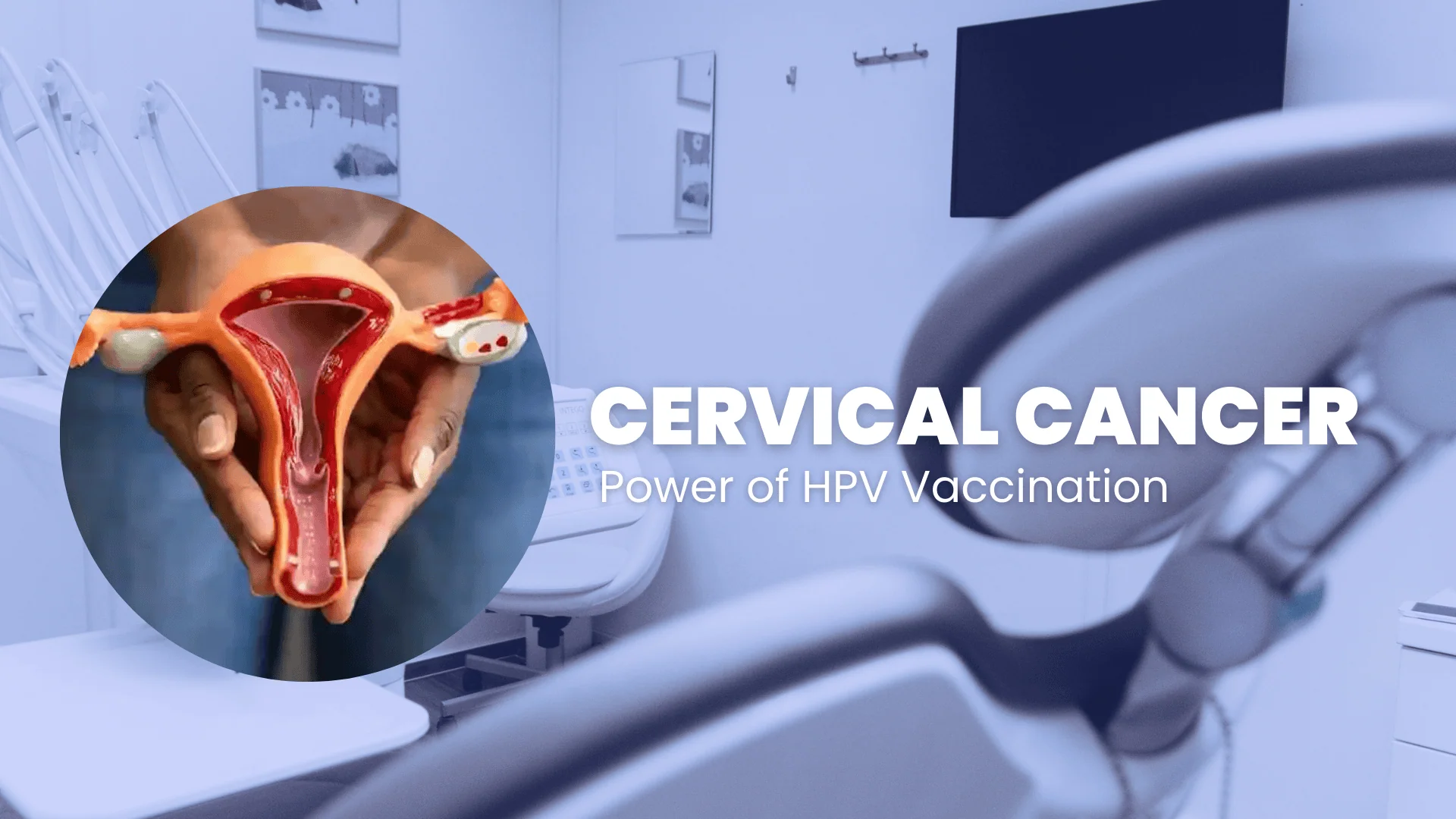
Cervical cancer is one of the most preventable forms of cancer, yet it remains a leading cause of cancer-related deaths among women in India, especially in states like Jharkhand where access to healthcare and awareness is still evolving. The good news is that with the right preventive measures—primarily HPV vaccination and regular screening—most cases of cervical cancer can be avoided or detected early, when treatment is most effective. This blog explores how these two strategies work together to protect women and highlights the vital role of centers like Jharkhand Cancer Centre in providing accessible care.
Understanding Cervical Cancer and HPV
Cervical cancer is caused by persistent infection with certain types of the human papillomavirus (HPV), a common virus transmitted through sexual contact. While most HPV infections clear up on their own, some high-risk types can lead to cervical cell changes that, if left untreated, may progress to cancer over time. The World Health Organization (WHO) emphasizes that HPV vaccination and regular screening are the cornerstones of cervical cancer prevention, with the potential to avert millions of cases and deaths globally.
The Role of HPV Vaccination
HPV vaccination is a powerful tool for preventing cervical cancer. The vaccine is most effective when given before exposure to HPV, ideally between the ages of 9 and 14, before sexual activity begins. In India, the government and health organizations recommend vaccinating girls in this age group to maximize protection. The vaccine is safe and protects against the most common high-risk HPV types that cause cervical cancer. Even if a woman is vaccinated, she still needs regular cervical screening, as the vaccine does not protect against all HPV strains.
Importance of Regular Screening
Screening for cervical cancer involves tests such as the Pap smear and HPV DNA testing, which can detect abnormal cells or HPV infection before cancer develops. Women should begin screening at age 25 or 30, depending on national guidelines, and continue at regular intervals—usually every 3 to 5 years—throughout their lives. Early detection through screening allows for timely treatment of precancerous changes, preventing progression to invasive cancer. Regular screening is crucial even for vaccinated women, as no vaccine offers 100% protection.
Jharkhand Cancer Centre: Leading the Way
Jharkhand Cancer Centre plays a pivotal role in raising awareness and providing accessible cervical cancer prevention services. The center offers HPV vaccination programs, regular screening camps, and educational outreach to empower women with knowledge and early intervention. By partnering with local health authorities and community organizations, Jharkhand Cancer Centre ensures that women across the state can access life-saving preventive care, regardless of their background or location.
Best Cancer Hospital in Jharkhand
For those who require advanced diagnosis or treatment, the Best Cancer Hospital in Jharkhand provides comprehensive care, including state-of-the-art screening, expert consultations, and multidisciplinary treatment plans. This facility is equipped to handle all stages of cervical cancer, from early detection to advanced therapy, ensuring that patients receive the highest standard of care close to home.
Empowering Women Through Awareness
Public awareness campaigns, community education, and accessible healthcare services are essential for reducing the burden of cervical cancer. Women should be encouraged to get vaccinated, undergo regular screening, and seek prompt medical attention if they experience symptoms such as abnormal bleeding or pelvic pain. Jharkhand Cancer Centre continues to lead these efforts, making prevention and early detection a reality for thousands of women each year.
In conclusion, cervical cancer is largely preventable through HPV vaccination and regular screening. By leveraging the resources and expertise of centers like Jharkhand Cancer Centre and the Best Cancer Hospital in Jharkhand, women can take control of their health and reduce their risk of this devastating disease. Prevention is always better than cure, and with the right tools and support, cervical cancer can become a rare occurrence in our communities.