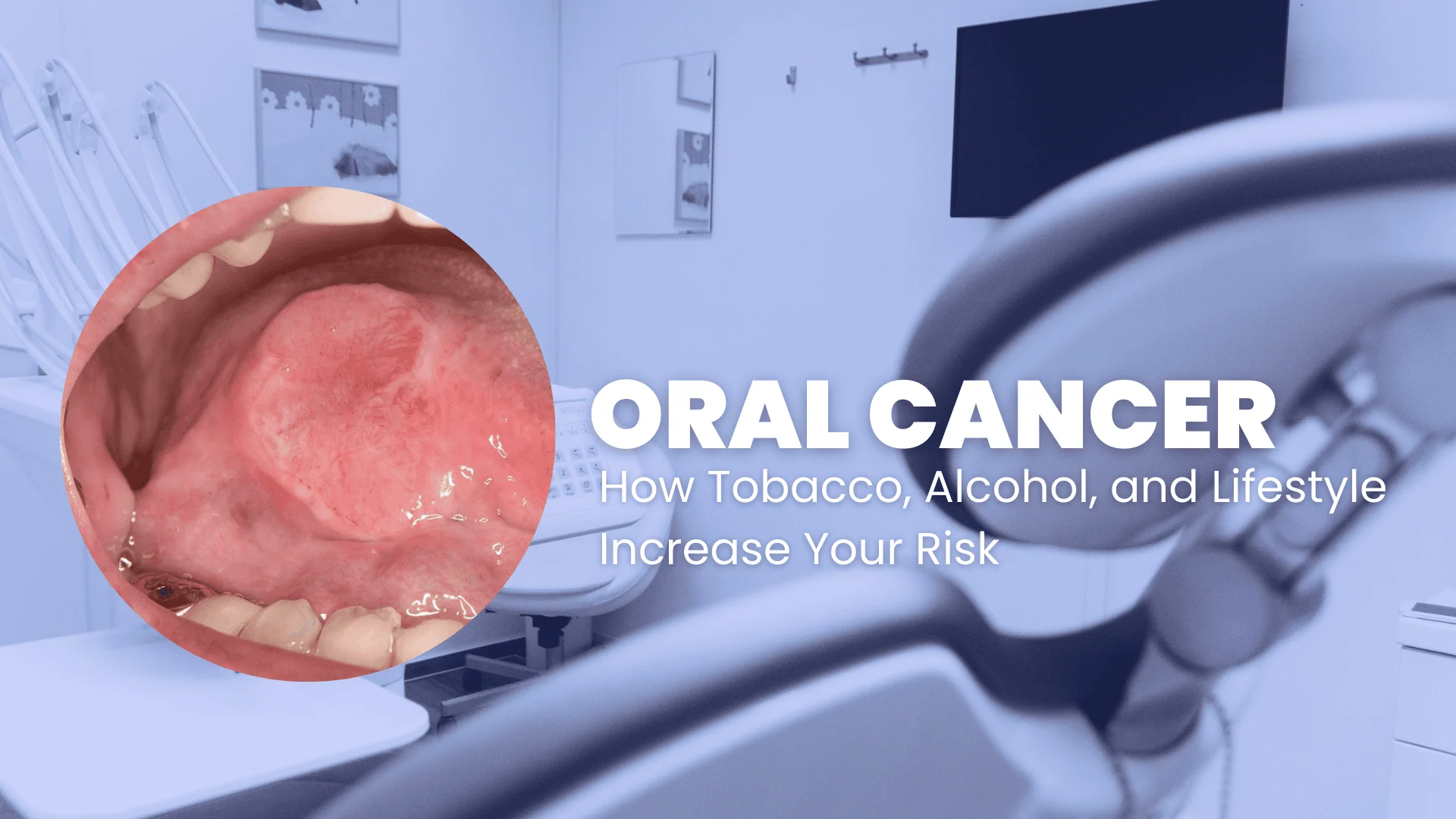
Oral cancer is a significant health issue in India, especially because of the widespread use of tobacco and alcohol, coupled with certain lifestyle practices. India has one of the highest rates of oral cancer cases globally, and understanding the risk factors is crucial for prevention and early detection. This blog delves into how tobacco, alcohol, and lifestyle contribute to oral cancer risk in India, particularly focusing on the state of Jharkhand and the role that healthcare institutions like the Jharkhand Cancer Centre play in cancer care.
Tobacco Use as the Primary Risk Factor
The most critical risk factor for oral cancer in India is the use of tobacco in any form—smoking cigarettes, bidis, or using smokeless tobacco like gutka, khaini, or betel quid. Tobacco products contain carcinogens that directly damage the cells in the oral cavity. Studies show that the risk of oral cancer rises dramatically with the duration and frequency of tobacco use. For example, users of smokeless tobacco have significantly higher odds of developing oral cancer compared to non-users. This risk multiplies when tobacco use is combined with other habits such as alcohol consumption. In India, tobacco use is highly prevalent, making this a public health concern of utmost importance.
Alcohol Consumption and Its Synergistic Effect
Chronic alcohol consumption is another major risk factor contributing to oral cancer. Alcohol acts as a solvent, making it easier for carcinogens in tobacco to penetrate the oral mucosa. Heavy and frequent drinking greatly increases the risk, especially when combined with tobacco use. The combined effect of tobacco and alcohol is much greater than either factor alone, weaving a dangerous web for oral cancer development. In regions like Jharkhand, where the consumption of both tobacco and alcohol is common, awareness and intervention are critical to curb the incidence of oral cancers.
Lifestyle Factors and Oral Hygiene
Beyond tobacco and alcohol, lifestyle practices such as poor oral hygiene, nutritional deficiencies, and chronic irritation from dental issues contribute to the heightened risk of oral cancer. Poor oral hygiene can lead to infections and chronic inflammation that predispose the oral tissues to malignant transformation. Wearing ill-fitting dentures and lack of regular dental care exacerbate these problems. Studies show that a large percentage of oral cancer patients have significantly poor oral health, and improving oral hygiene habits is vital to risk reduction.
The Role of Healthcare and Cancer Centers in Jharkhand
In Jharkhand, the Jharkhand Cancer Centre is a pivotal institution in addressing cancer care, including oral cancer. The centre provides advanced diagnostics, treatment, and counseling services for oral cancer patients, playing a crucial role in early detection and comprehensive care. The dental oncology department at Jharkhand Cancer Centre offers specialized oral care for cancer patients, managing treatment side effects and improving quality of life. Such centers are vital in a state where lifestyle risks for oral cancer remain high.
Furthermore, the best cancer hospital in Jharkhand provides cutting-edge treatment facilities and expert oncologists who specialize in head and neck cancers, including oral cancer. These hospitals employ a multidisciplinary approach to cancer care ensuring personalized and effective treatment plans. Patients in Jharkhand have access to world-class cancer care without having to travel far, which improves treatment outcomes and survival rates.
Conclusion
Oral cancer remains a major health challenge in India, fueled by the widespread use of tobacco, alcohol, and lifestyle factors such as poor oral hygiene. In Jharkhand, institutions like the Jharkhand Cancer Centre and the best cancer hospitals in the state are essential in providing quality care and prevention services. Reducing oral cancer incidence requires not only medical intervention but also widespread public health education targeting tobacco and alcohol cessation and improving lifestyle habits. Early diagnosis and treatment, supported by specialized cancer centers, can save lives and improve quality of life for many affected individuals.
This blog emphasizes the importance of awareness, lifestyle changes, and access to expert cancer care in combating the high burden of oral cancer in India, particularly in Jharkhand