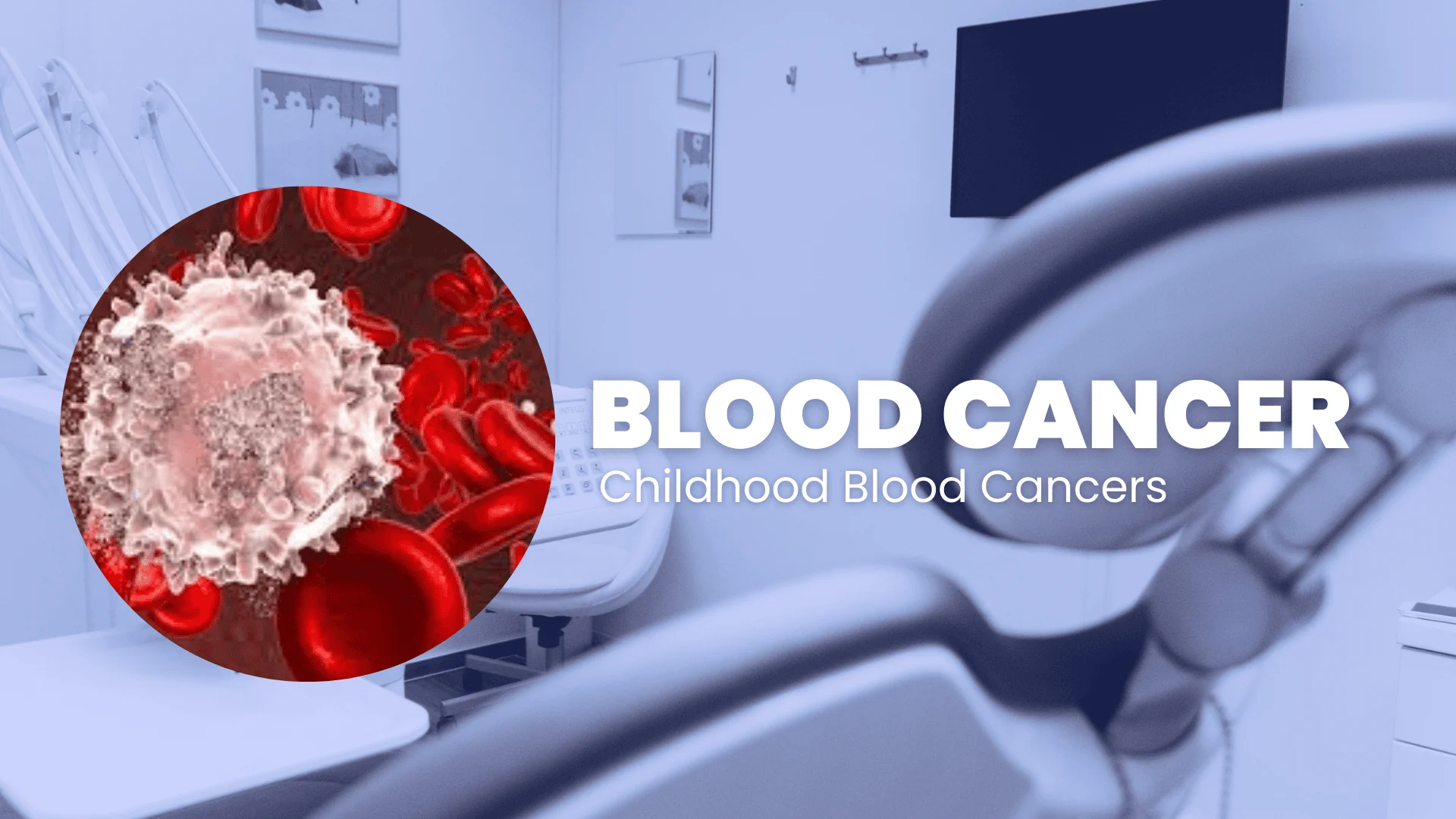
Childhood blood cancers, primarily leukemia, represent a significant concern for pediatric health worldwide. Recognizing the warning signs early and understanding the supportive needs of affected families can significantly improve outcomes for children with this disease.
Types of Childhood Blood Cancers
The most common blood cancer in children is leukemia, which originates in the blood-forming tissues of the body, such as the bone marrow. There are several types, but the main categories include acute lymphoblastic leukemia (ALL), acute myeloid leukemia (AML), and chronic leukemia, with ALL being the most prevalent in children. Other rarer types include lymphoma and myelodysplastic syndromes, but leukemia accounts for the majority of childhood blood cancer cases.
Recognizing Early Symptoms
Parents and caregivers must be vigilant for early signs that may indicate a blood cancer diagnosis. Symptoms can often be subtle and mistaken for common childhood illnesses, but persistent or unusual signs warrant prompt medical evaluation.
Common Warning Signs:
- Unexplained Fatigue and Weakness: Children may appear unusually tired or pale due to anemia caused by leukemia.
- Frequent Infections: Leukemia can impair the immune system, leading to recurrent or prolonged infections.
- Bruising and Bleeding: Easy bruising, petechiae (tiny red spots on the skin), bleeding gums, or frequent nosebleeds are common signs.
- Bone or Joint Pain: Leukemia cells can invade the bone marrow, causing pain, swelling, or tenderness, especially around the long bones.
- Swollen Lymph Nodes: Painless lumps in the neck, underarm, or groin may appear as lymphatic involvement occurs.
- Unexplained Weight Loss and Fever: These systemic symptoms often accompany blood cancers and signify disease progression.
Rare Symptoms
Some children may exhibit symptoms less typical, such as abdominal distension from an enlarged spleen or liver, or neurological signs if the leukemia spreads to the central nervous system.
Diagnostic Approach
Diagnosis typically involves blood tests, bone marrow examination, and imaging studies. Blood counts may reveal anemia, low platelet levels, or abnormal white blood cells. A bone marrow biopsy confirms the presence of leukemia cells and helps determine the subtype.
Treatment and Management
The primary treatment for childhood blood cancers is chemotherapy, aiming to eliminate leukemia cells and restore normal blood production. The treatment protocol varies based on the leukemia type, risk factors, and the child’s overall health. The approach often includes phases like induction, consolidation, maintenance, and sometimes targeted therapy or stem cell transplants.
Supportive care, such as blood transfusions, antibiotics, and growth factors, play vital roles during treatment. Managing side effects and preventing infections are ongoing challenges, requiring a multidisciplinary team involving pediatric oncologists, nurses, and support staff.
Supporting Families
Caring for a child with blood cancer is emotionally and physically taxing for families. Support groups, counseling, and financial assistance programs are crucial for helping families navigate diagnosis, treatment, and recovery. The importance of clear communication, compassionate care, and providing a supportive environment cannot be overstated.
Community Support in Jharkhand
For families in Jharkhand, facilities like the Jharkhand Cancer Centre provide specialized pediatric oncology services. The center offers comprehensive diagnosis, treatment, and supportive care tailored to children’s needs. Patients can also access the Best Cancer Hospital in Jharkhand, which ensures access to the latest treatments and expert care for childhood blood cancers.
Raising Awareness and Prevention
Public health initiatives focusing on awareness can aid early diagnosis and improve survival rates. Educating parents about warning signs, promoting regular health check-ups, and advocating for routine blood testing in symptomatic children are essential steps. Immunization programs and reducing exposure to known carcinogens also contribute to prevention efforts.
Conclusion
Childhood blood cancers, although serious, are increasingly treatable with early detection and appropriate medical intervention. Recognizing warning signs such as fatigue, infections, bruising, and bone pain can prompt timely healthcare consultations. Supporting families through counseling and access to specialized care at places like the Jharkhand Cancer Centre is vital in improving outcomes. Raising awareness and understanding the signs and support systems in place can make a significant difference in fighting childhood blood cancers and ensuring affected children lead healthier, longer lives.