Have Any Questions?
62027 00645
Cancers that start in the moist mucosal lining (squamous cells) of the mouth, throat (pharynx), voice box (larynx), or sinuses.
Head and neck cancer refers to a group of cancers that develop in the tissues of the head and neck, most commonly in the moist squamous cells lining the mouth, throat, voice box (larynx), nasal cavity, and sinuses. These cancers often begin as abnormal growths in these areas and can spread locally to nearby lymph nodes or, in advanced cases, to distant organs. The majority are classified as squamous cell carcinomas and are strongly linked to risk factors like tobacco, alcohol, and HPV infection. Early detection and treatment are crucial, as these cancers can affect vital functions such as breathing, swallowing, and speech, and their management usually requires a multidisciplinary approach involving surgery, radiation, chemotherapy, and supportive care.


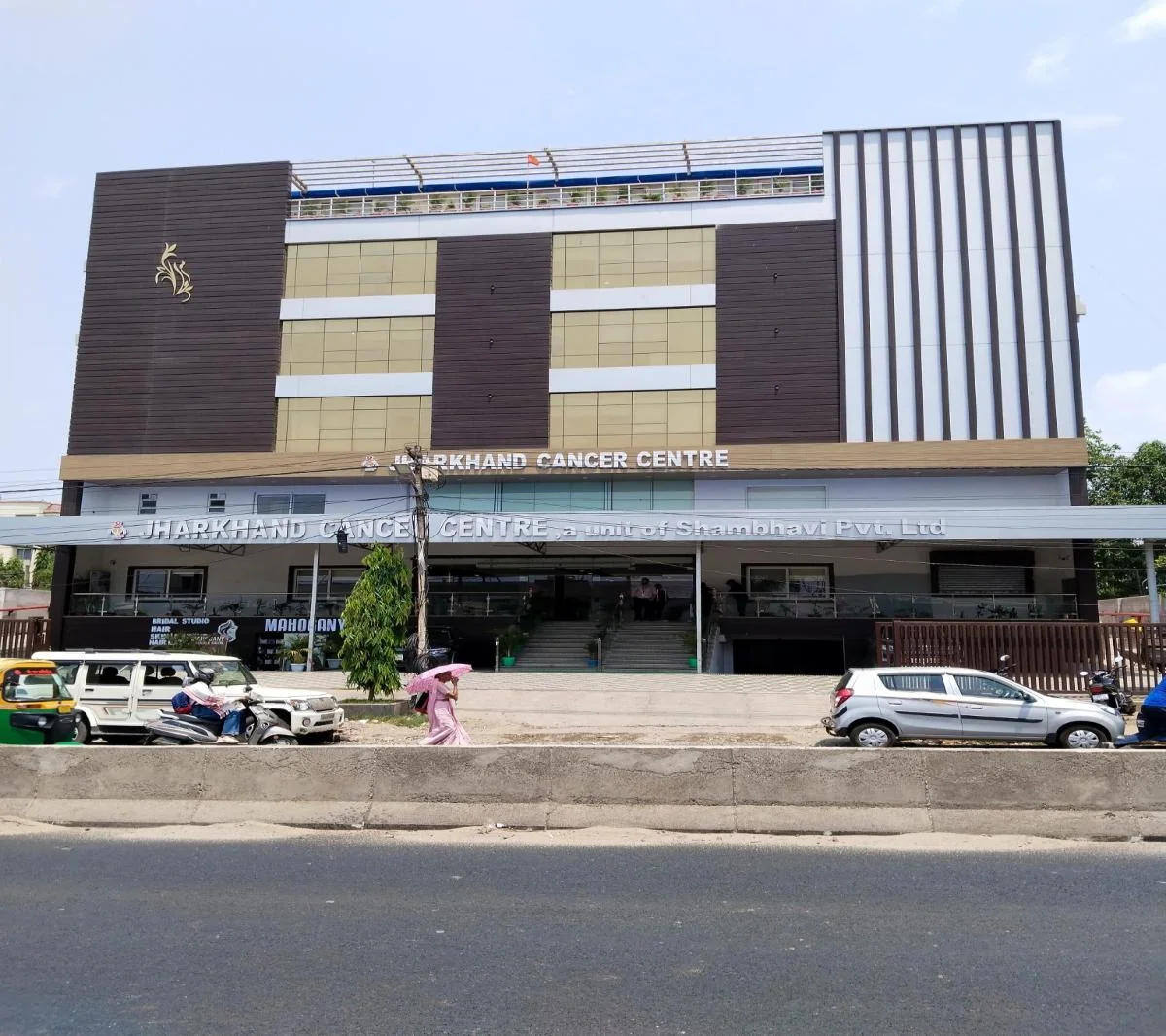
Jharkhand Cancer Centre is highly rated by patients for comprehensive cancer care and services in Ranchi, Jharkhand.
Posted onTrustindex verifies that the original source of the review is Google. Thank you saurabh sir meri mummy ka treatment 1 month se chal raha h chemotherapy 1dose chal chuka ka abhi patient bahut hi achhi h recover ho raha hai thanks All sattaf behaviour are very good and helping thnksPosted onTrustindex verifies that the original source of the review is Google. Best medical oncologist dr kumar Saurabh thank you so much sir and all staff behaviour are very good my patient recovery for chemotherapy thanks all staff 👍👍Posted onTrustindex verifies that the original source of the review is Google. Thank you dr Kumar Saurabh best treatment for jcc hospital my 1st chemotherapy my succesful thnks all staff very supportive Thnks jccPosted onTrustindex verifies that the original source of the review is Google. Dr. Amar accha ilaj kiye h.. Humalog santust h illaaj se .. Sabhi staff aur nurse acche dekhbaal kiyee ... hospital bhot accha h ... dhanyawad sabhi koPosted onTrustindex verifies that the original source of the review is Google. Best hospital in ranchi kokar oncology department and hilly ajucetet Dr Kumar Saurabh and very cooperative staff and Best facilities 🙏🙏Posted onTrustindex verifies that the original source of the review is Google. October se tretment ho raha hai ayushman card se our kafi acha tretment ho raha hai thank you saurabh sirPosted onTrustindex verifies that the original source of the review is Google. Aachha tretment kiya gya dr kumar saurabh ke dawara mera 1St chemotherapy chala ayushman card se aur abhi bahut hi achha laga ki sarkar ke dawara suvidha diya ja raha hai saurabh sir bahut hi achhe sir h Thank you 🙏🙏 sirPosted onTrustindex verifies that the original source of the review is Google. Pesent name chhutubabu ansari good service I am from bokaroPosted onTrustindex verifies that the original source of the review is Google. Dr kumar saurabh ke pas tretment se hmlog bahut khush hai meri mummy ka tretment 2023 se dikja rahe h or abhi meri maa bahut hi achhi h sare staff bahut hi achhe hai thank you sir




Trusted Care, Proven Excellence.
Committed to ensure Quality Healthcare